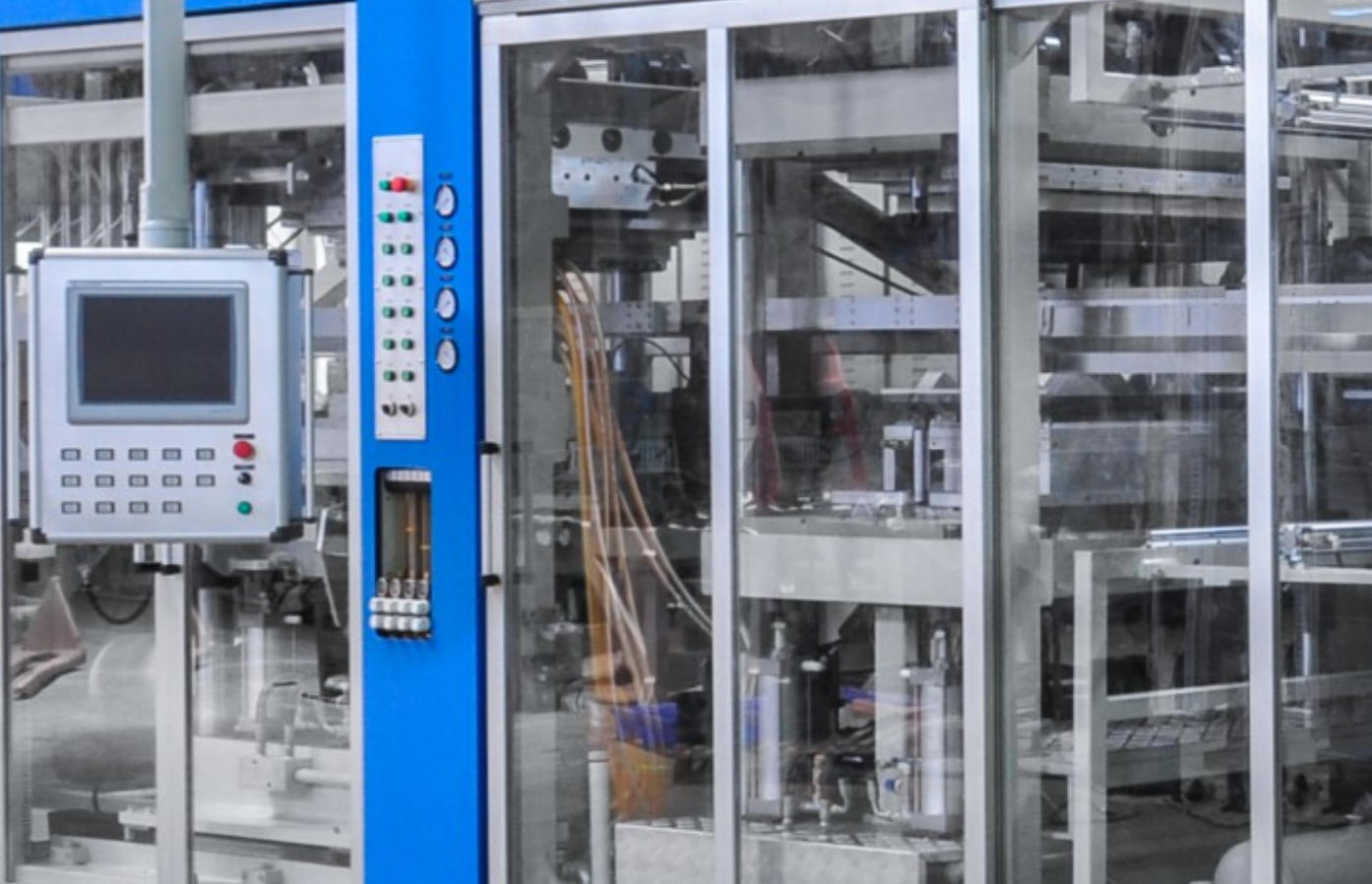
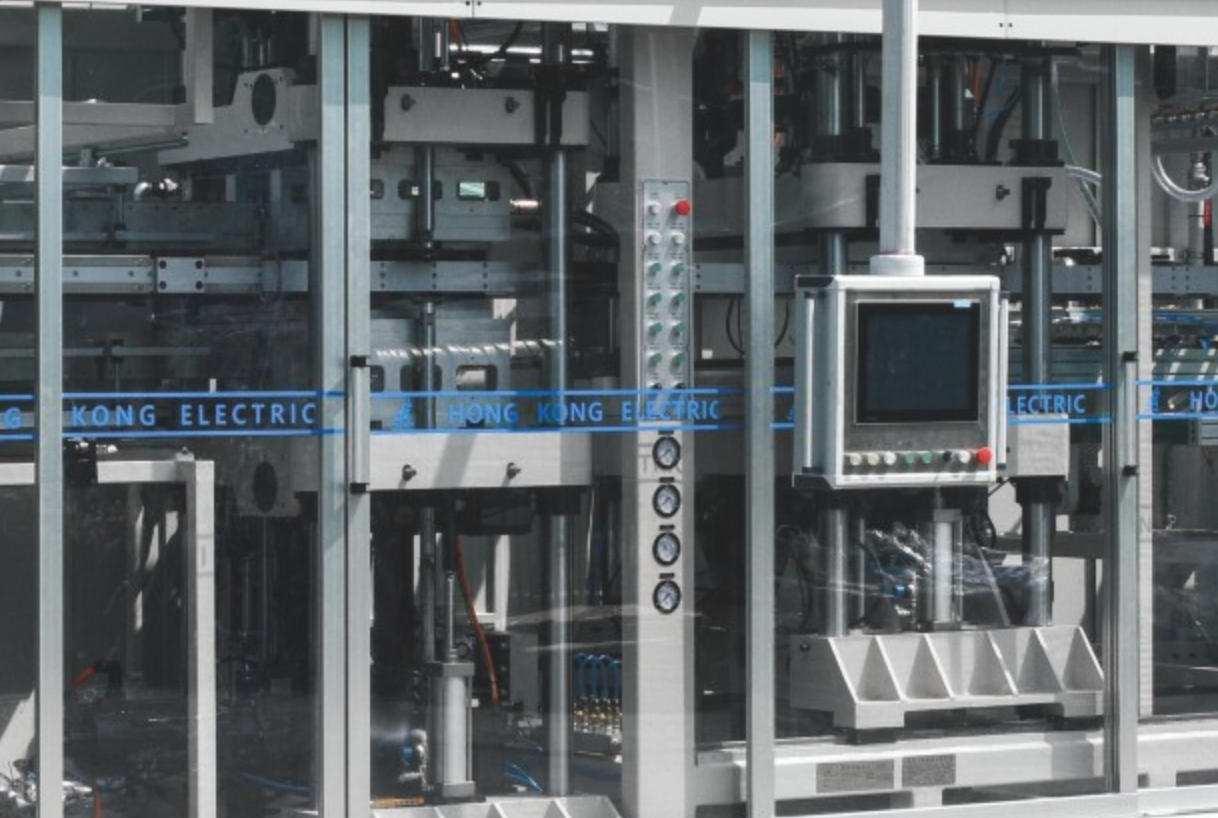
In today’s diverse manufacturing landscape, versatility is key to staying ahead. Businesses need equipment that can adapt to changing market demands, handle a wide range of materials, and serve multiple industries—all while maintaining efficiency and quality. Air compression molding machines are designed to do just that, making them a versatile addition to any production line.
One of the most notable features of air compression molding machines is their ability to work with a variety of materials, including thermoplastics, thermosets, fiber-reinforced composites, and even ceramic or metal powders. This versatility allows manufacturers to serve multiple industries, from automotive and electronics to aerospace and medical devices, without investing in separate equipment for each application.
In the automotive industry, air compression molding machines are used to produce interior components such as dashboards, air conditioning panels, and door trims—parts that require lightweight, durable, and aesthetically pleasing finishes. In the electronics industry, they excel at molding手机外壳, keyboard components, and electronic device casings, ensuring precise fit and protection for sensitive internal parts. For the aerospace sector, these machines produce lightweight composite parts that meet strict industry standards for strength and dimensional stability.
Even in the consumer goods and packaging industries, air compression molding machines play a vital role. They are used to produce food containers, cosmetic packaging, and household appliance parts—items that require consistent quality, durability, and cost-efficiency. Their ability to handle small to medium-sized parts and adapt to different mold designs makes them ideal for low-volume, high-variety production, such as custom promotional items or specialized components.
With air compression molding machines, versatility isn’t just a feature—it’s a competitive advantage. By investing in a single machine that can serve multiple industries and materials, businesses can expand their product offerings, adapt to market changes, and maximize their return on investment.